The Tech That Gets You There
Understand how modern electric upgrades dramatically lower costs, increase your daily comfort, and provide real benefits to your community's environment.
🚗 Electric Vehicles (EVs)
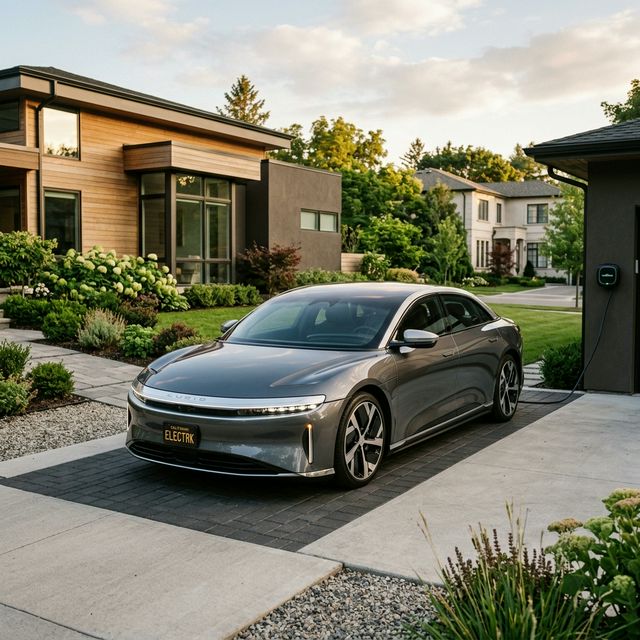
💰 Why You Save
Electric motors convert over 85% of electrical energy into forward motion, compared to less than 40% for gas engines.1,2 Even with high electricity rates, the fundamental efficiency of an EV means driving a mile costs a fraction of what it takes to burn gasoline. Plus, EVs require virtually no routine maintenance like oil changes.3
👑 Increased Comfort
EVs offer completely silent, smooth acceleration without the jarring shifts of a standard transmission. You can also "pre-condition" your car—heating or cooling the cabin while it's still plugged in inside your closed garage without risk of carbon monoxide poisoning.
🌍 Environmental Impact
Taking a gas car off the road eliminates a major source of greenhouse gas emissions. More importantly for your neighborhood, it immediately stops the tailpipe emissions of nitrogen oxides and fine particulate matter, improving the direct air quality on the streets where you walk and live.4,5
🏠 Heat Pumps (HVAC)
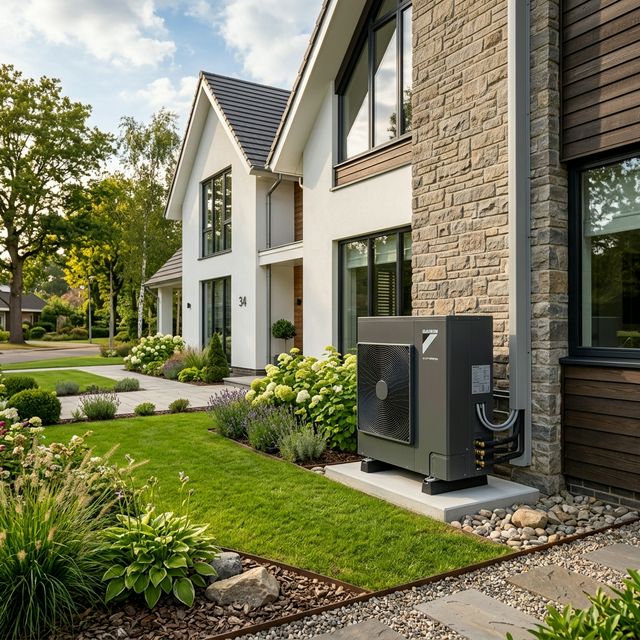
💰 Why You Save
A heat pump doesn't burn fuel to create heat; it uses electricity to simply move heat from outside to inside. This makes them up to 300-400% efficient, slashing your winter heating bills compared to a standard gas furnace.6 For summer, they act as top-tier, ultra-efficient air conditioners.
👑 Increased Comfort
Unlike old furnaces that blast you with hot air and then shut off, modern heat pumps provide steady, quiet, and consistent temperature control. They continuously filter your home's air and gently maintain your desired climate without dramatic temperature swings or noisy fan bursts.
☀️ Solar + Storage
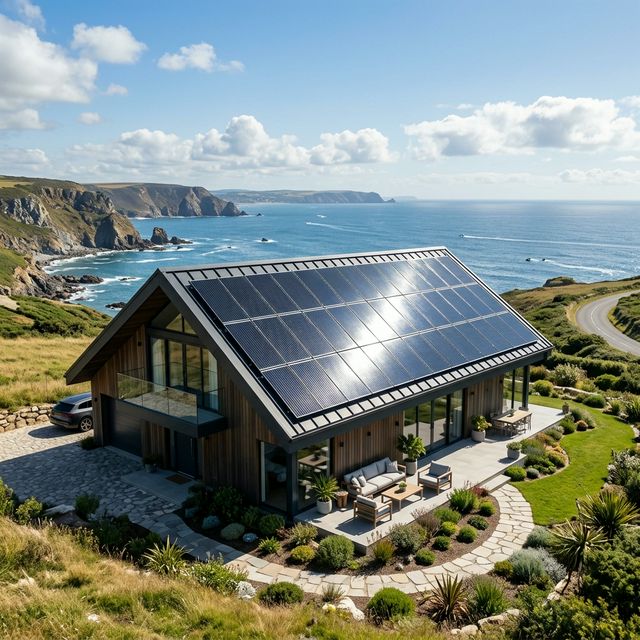
💰 Why You Save
Solar panels essentially allow you to lock in your electricity rate for the next 25 years.10 By generating your own power, you bypass the ever-increasing utility rates. When combined with a battery, you can avoid peak-hour pricing entirely by using stored solar power when grid electricity is most expensive.
👑 Increased Tech Superiority
Adding a home battery to your solar array provides unprecedented energy security. When the grid goes down during a storm or heatwave, your system seamlessly takes over,11 keeping your lights on, your fridge cold, and your internet running without the noise and maintenance of a gas generator.
🌍 Environmental Impact
Rooftop solar generates 100% clean, renewable energy exactly where it's consumed, reducing the need for dirty "peaker" power plants that are often located in vulnerable communities.12,13 It democratizes the energy grid and directly lowers the overall carbon footprint of your local area.
💧 Heat Pump Water Heaters
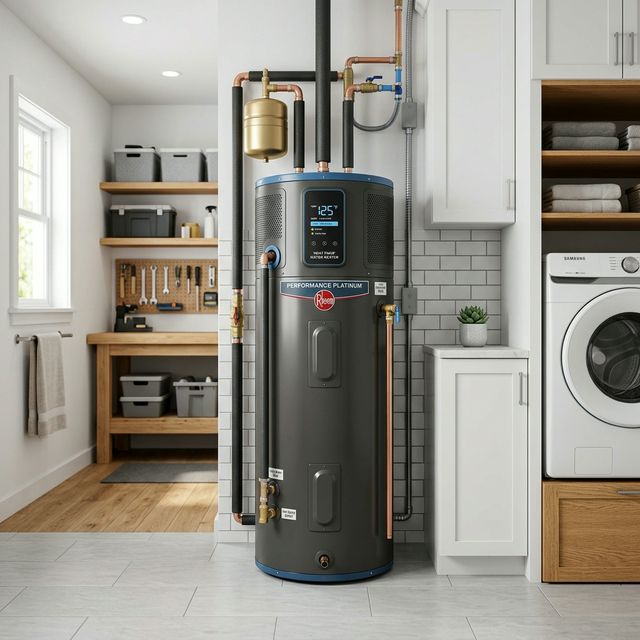
💰 Why You Save
Just like a home heat pump, these units pull heat from the surrounding air to heat your water, making them remarkably efficient. They use up to 70% less electricity than standard electric resistance heaters14 — if that's what you have today, this is one of the biggest upgrades available to you. Replacing a gas water heater is a closer call: California's high electricity prices mean operating savings depend heavily on your utility, so run the calculator with your zip before budgeting for it.
👑 Increased Comfort
These advanced water heaters often offer smart controls, allowing you to set schedules and monitor your hot water usage from your phone. They also provide a secondary benefit: they dehumidify and cool the space they are installed in, like a basement or garage.15
🌍 Environmental Impact
Water heating is consistently one of the largest energy loads in a home.16 Transitioning away from a gas burner eliminates another source of direct methane and CO2 emissions from your property, contributing to a fully decarbonized, safer home environment.
Research Resources
Every claim on this page is backed by a government agency, a peer-reviewed study, or an established research organization.
Electric Vehicles 5 sources
EV motors convert over 85% of electrical energy into motion, vs. less than 40% for gas engines.
Federal (DOE data) NRDC — Electric Vehicle BasicsA typical EV is 87–91% efficient over a real driving cycle, compared to ~30% for a gasoline vehicle.
Federal U.S. Department of Energy — Fact of the Week #1360EVs require virtually no routine maintenance; EV owners spend about half as much on repairs and maintenance as gas-car owners.
Research org Consumer Reports — EV Ownership Cost ReportTailpipe pollution (NOx, fine particulates) from vehicles is linked to premature death and cardiovascular/respiratory illness in nearby communities.
Peer-reviewed UNC Institute for the Environment, published in Environmental Research LettersNOx, particulate matter, CO, and formaldehyde are federally regulated tailpipe pollutants tied to smog formation and health harm.
Federal U.S. Environmental Protection Agency — Smog Vehicle EmissionsHeat Pumps (HVAC) 4 sources
Heat pumps operate at 300–400% efficiency (COP 3.0–4.0), compared to about 95% for a modern gas furnace.
Technical reference HVAC Base — Coefficient of Performance ExplainedRemoving a gas furnace eliminates a household's risk of carbon monoxide poisoning from backdrafting or a cracked heat exchanger.
Federal CDC — Carbon Monoxide Poisoning BasicsGas- and oil-burning furnaces are a documented cause of fatal indoor CO poisoning incidents.
Federal CDC MMWR — Residential Carbon Monoxide Poisoning Case ReportBackdrafting occurs when combustion appliances are depressurized indoors, increasing CO production and indoor exposure risk.
Technical analysis Energy Vanguard, citing CDC / CPSC dataSolar + Battery 4 sources
A rooftop system built today locks in its value for roughly a 25-year lifespan, the typical panel service life used in solar valuation studies.
Peer-reviewed University of Michigan, published in Nature Climate ChangeSolar-plus-battery systems automatically detect a grid outage and switch to "islanded" mode, keeping power on at the home.
Federal U.S. Department of Energy — Solar and Resilience BasicsFossil-fueled "peaker" plants — the plants solar and storage most directly displace — are disproportionately located in low-income and environmental-justice communities.
Research org Clean Energy Group — The Peaker ProblemPeaker plants emit pollutants like SO₂ at a higher rate per unit of electricity than non-peaker plants.
Reporting on GAO/academic research BOE Report, citing U.S. GAO and UCLA researchHeat Pump Water Heaters 3 sources
ENERGY STAR certified heat pump water heaters use up to 70% less energy than a standard electric resistance water heater.
Federal (EPA/DOE) ENERGY STAR — Heat Pump Water Heater GuideHPWHs are up to 4x more efficient than conventional electric water heaters and offer a secondary dehumidifying/cooling effect in the space they occupy.
Federal (EPA/DOE) ENERGY STAR — HPWH Factsheet, citing a joint Canadian Centre for Housing Technology / National Research Council field studyWater heating is typically the second-largest home energy expense, behind heating and cooling.
Federal (EPA/DOE) ENERGY STAR — Busting Myths About Heat Pump Water HeatersDollar figures shown elsewhere on this page (e.g. "$1,200/yr avg savings") are estimates generated by our calculator based on national average rates and usage patterns — not independent research figures. They'll vary by location, home size, and utility rates.